


The state’s commercial sector presently consumes a whopping 38% of the state’s total electricity and 25% of its natural gas resources—with 10% of the state’s total electricity requirements and 6% of its natural gas resources used by office buildings alone.
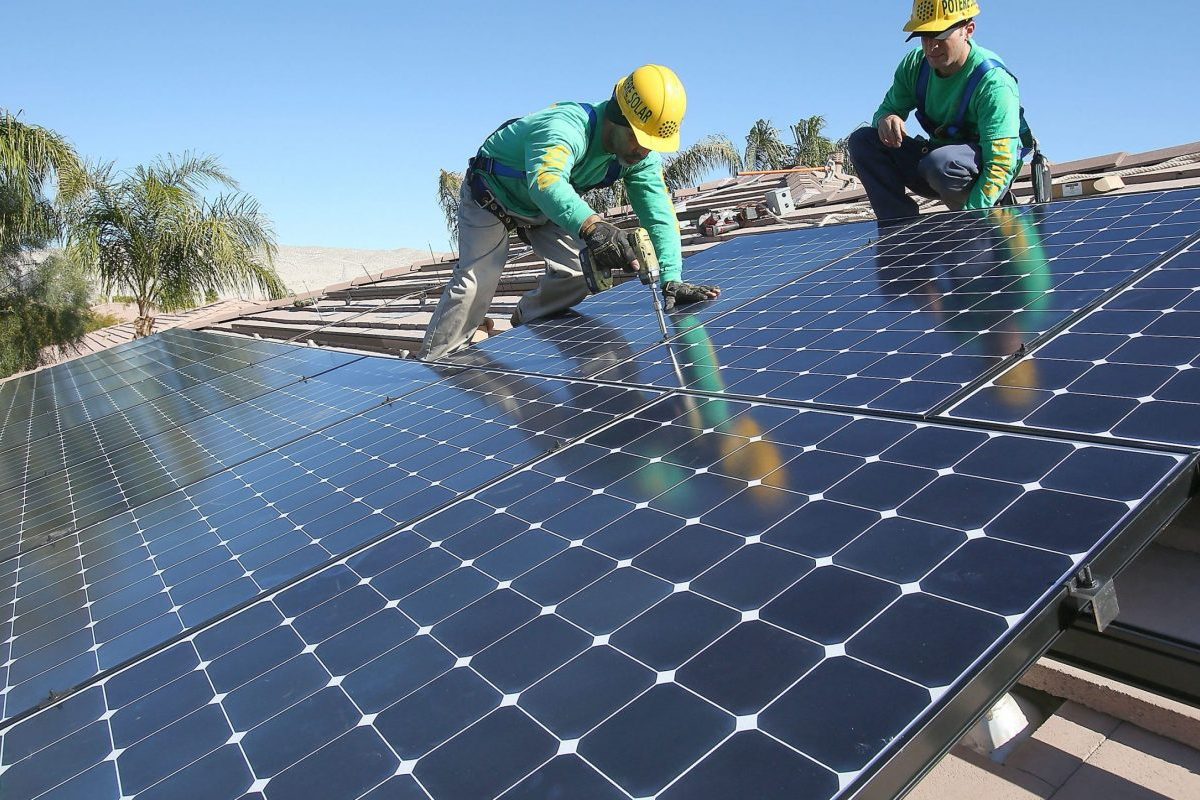
In its California Long Term Energy Efficiency Strategic Plan, the California Public Utilities Commission (CPUC) identified a number of strategies for putting the commercial sector on a path to Zero Net Energy (ZNE) by 2030. ZNE buildings are energy self-sufficient on an annual basis by being energy efficient as possible, and by producing enough renewable energy on-site to meet all remaining energy needs. Strategies outlined by the CPUC include upgrading and enforcing building codes and improving the effectiveness of utility incentives and other programs.
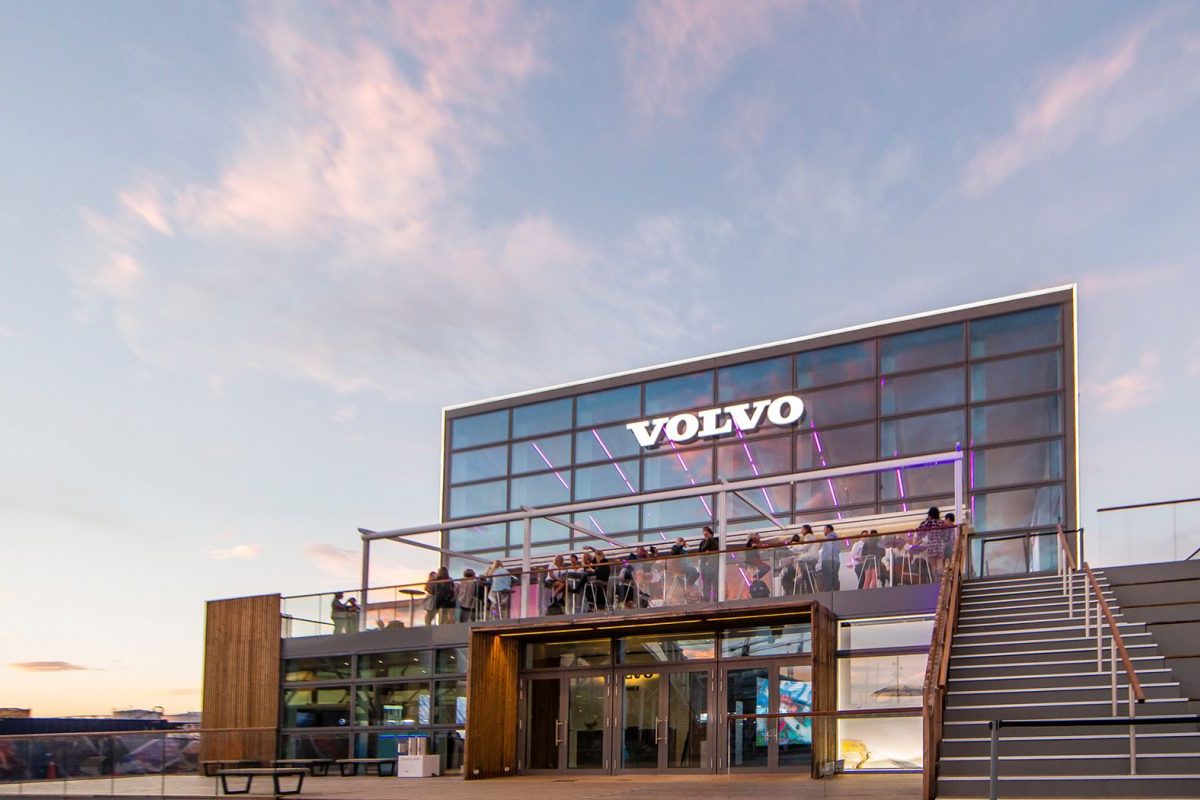
California already has some of the most aggressive green building policies in the nation and is making substantial progress: as of April 2009, 35% of Class A commercial buildings were certified some level of “green” – whether LEED® or ENERGY STAR® – in CoStar Group's real estate market database. One year later, this number jumped to 43.3% – nearly 188 million square feet of the total 433 million square feet of rentable building area (RBA) in Class A commercial buildings in California are now certified “green”. Progress was substantial in Class B and C properties as well; but clearly, there is much more to be done in those sectors, as less than 5% of the state’s 916 million square feet of RBA in Class B and C properties was certified green as of April 2010.
Anecdotally, some energy industry practitioners reported that Assembly Bill 1103, which requires disclosure of a building’s energy performance upon certain triggering events, precipitated some of this increase in activity. While CoStar’s database cannot tell us what motivated building owners to certify their properties green over the past year, we can take a pulse on the state’s progress towards greening its commercial office buildings through the California Sustainability Alliance’s Green Building Barometer.
Check back here for periodic updates on the Green Building Barometer, along with information about which markets are making the most progress and the types of policies and programs that appear to be driving the various regions in the state. Timely marketing insights will be provided by members of the Alliance’s Advisory Committees and other key real estate market participants.
Leave a comment or suggestion...