

Case Study: LINC Housing Community Housing Energy Program
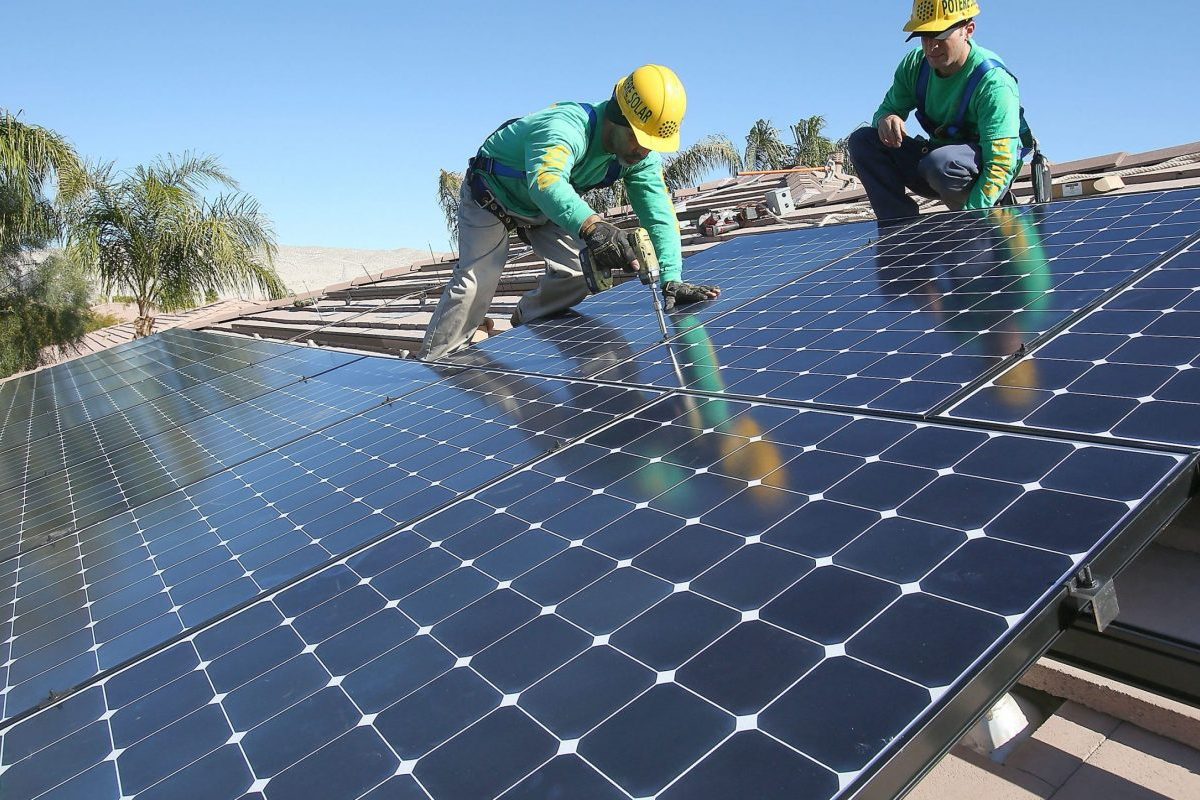
LINC Housing Corporation, an affordable housing community for seniors and families, consists of 6,000 units in 45 properties throughout California. LINC’s Housing Energy Program provides education and training within LINC itself, engages in partnerships with green experts and consultants, established green building standards, developed evaluation tools, and funded improvements to four LINC communities.
In 2008, LINC partnered with the California Sustainability Alliance to receive comprehensive technical assistance and recommendations on how to improve their program offerings in the areas of energy efficiency and sustainability. Together, LINC and the Alliance developed strategies, standards, and tools for cost-effective yet green and energy efficient property modernization. Click to view the resulting Sustainability Report.
The Alliance began with a property condition assessment, including a green analysis, an energy audit, cost-benefit analyses, and implementation recommendations. All phases of the building lifecycle were considered, including design, equipment specification, construction, verification & quality assurance, and operation & maintenance. Sustainable design standards, operations and maintenance plans (including guidelines, checklists, and upgrade schedules), a sustainable procurement policy, and other policies and tools were developed to support LINC in incorporating sustainability across their entire portfolio. The Alliance also provided assistance in identifying and obtaining additional resources and funding such as financing, incentives, and rebates.
While retrofits are always site-specific, measures commonly recommended for the LINC Housing Energy Program include:
- Lighting
By replacing all apartment incandescent lighting with pin-type fixtures or screw-in compact fluorescent bulbs (CFLs), and by replacing all older model fluorescent fixtures with newer energy efficient fixtures with electronic ballasts, a significant amount of electricity can be saved and CO2 emissions can be avoided.
- Ceiling Fans
Ceiling fans can be upgraded to Energy Star fans with more efficient lighting and fan motors.
- Domestic Hot Water
Domestic hot water (DHW) boilers may be converted to high efficiency tank-type water heaters at the end of the useful life of the existing boilers.
- Plumbing Fixtures
Showerheads, faucet aerators, and toilets should all be replaced with lower flow models.
- Irrigation
In order to reduce water consumption, xeriscaping (landscaping with drought tolerant native plants) should be implemented to reduce irrigated lawn space by at least 33%.
- Recycling
In addition to being more resource-efficient, in most cases recycling is less expensive than trash collection. (At the time of the assessment, none of the LINC sites employed recycling.)
- Carpet
Specifying Carpet and Rug Institute (CRI) Green Label Plus (GL+) products ensures that carpeting has been tested and is certified to meet Indoor Air Quality standards set forth by the EPA.
- Paint
Paint should be certified by the GreenGuard Environmental Institute, Green Seal (Standard GS-11), or other third party certifying organizations that provide verification for low-emitting products where dynamic environmental chamber testing is employed to measure off-gassing of VOCs.
- Laundry
By negotiating with the companies that manage the laundry equipment onsite to upgrade clothes washers to Energy Star models as they fail, over 700,000 gallons of water can be saved annually across LINC’s four pilot properties.
- Pool Pumps
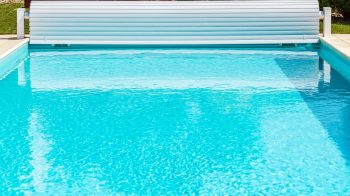
Change pool pump timers so that pumps run 12 hours per day instead of continuously or 18+ hours per day. Electrical savings can be achieved at no cost if a site has the necessary equipment in place.
- Pipe Insulation
The compressor refrigerant piping insulation for central air conditioning systems was found to be failing at all four surveyed sites; replacing degraded insulation will improve performance.
- Roof and Paint
Lighter color roof shingles and exterior paint should be specified to reduce cooling loads and reduce the heat island effect.
- Temperature Setpoints
Set points on hot water systems should be set to deliver 120°F water at tenant taps to prevent scalding and for optimal energy performance. Common area thermostats should use setback controls to condition the building during normal operating hours only.
- Smoking
Environmental tobacco smoke (ETS) is one of the most widespread and harmful indoor air pollutants. Smoking also causes discoloration of appliances, walls, and blinds, and infiltrates walls, floors, and carpets so smoke is smelled long after smoking has stopped. The Alliance suggests prohibiting smoking indoors to reduce maintenance of units between tenants and to promote healthy indoor air quality.
- Pest Management
Safety considerations for tenants, the property, and the environment should be taken into account before chemical applications are used. Integrated Pest Management (IPM) is a comprehensive approach to eliminate and prevent pest problems with an emphasis on reducing pest habitat and food sources.
- Cleaning Products
Popular in liquid form, antibacterial soaps are helping to promote growth of resistant bacteria, according to a 2000 World Health Organization report. Instead of using antibacterial soap in common areas, the Alliance recommends thorough hand-washing with plain soap and warm water.
The technology recommendations and tools created through this partnership will continue to benefit all of LINC’s communities throughout California and will result in more healthful, affordable, and energy efficient communities for LINC’s low and middle-income residents. Visit the LINC website for more information about LINC’s green activities.