

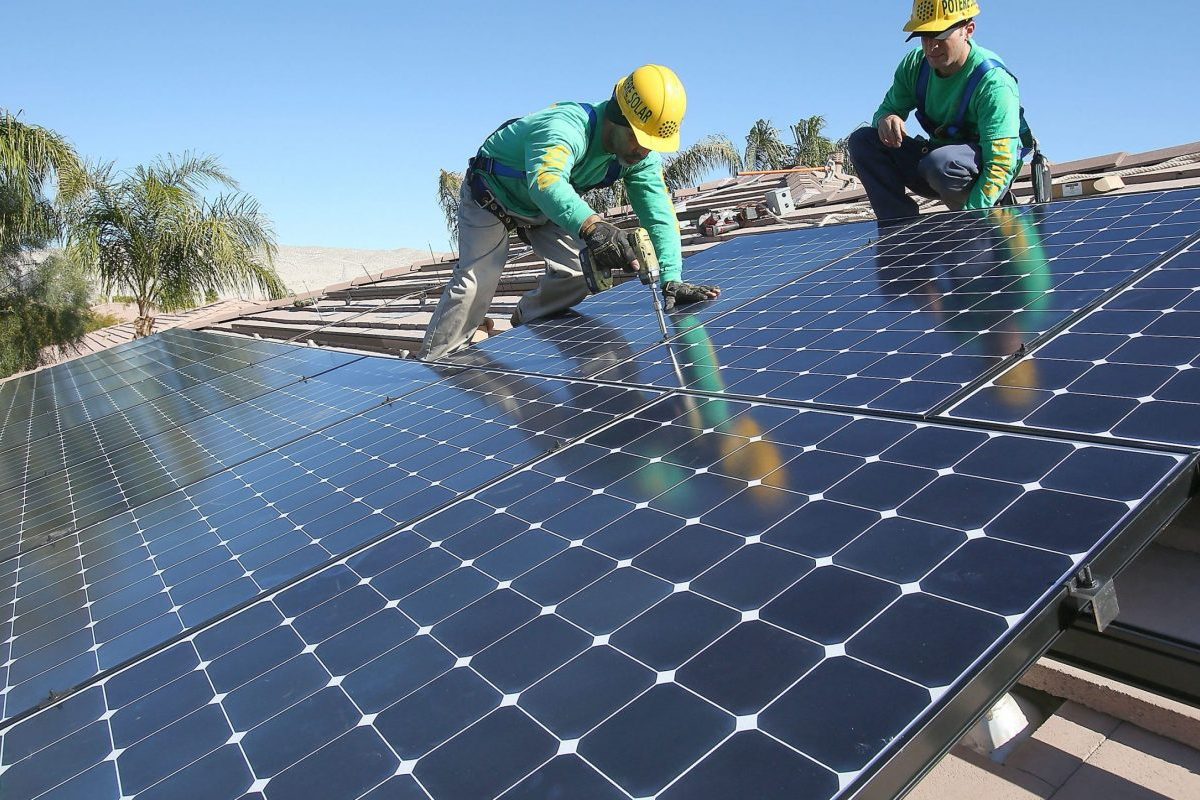


Solar panels on office buildings help achieve zero net energy
In September 2008, the California Public Utilities Commission adopted the most aggressive energy efficiency goals in the nation through its Long-Term Energy Efficiency Strategic Plan (CEESP).
The CEESP identified commercial buildings as the single largest users of energy in California, accounting for more than 38% of California’s electricity consumption and 25% of its natural gas use. Office buildings account for 25% of all energy used by this sector.
The CEESP established the following goals for commercial buildings:
- Zero net energy performance for all new commercial construction by 2030
- Fifty-percent (50%) of existing buildings achieve zero net energy performance by 2030
The California Sustainability Alliance assembled an expert group of professionals with substantial experience in commercial real estate to develop a pilot project designed to significantly accelerate development of green buildings in California. Through a series of workshops, the Alliance’s Green Buildings Advisory Committee observed that in California, much more office space is leased (90%) than is owned (10%). The Alliance’s Advisors strongly recommended focusing on greening the 90% of California’s existing office buildings that are leased.
The Alliance thus embarked upon a Green Leases Initiative that commenced with development of a Green Leases Toolkit 2.0 that creates a template for landlords and tenants to integrate green elements into commercial office leases.
In May 2009, the Alliance published a study exploring the opportunities and constraints in the greening of leased office space in California. Click here for the full report.
Zero net purchases of energy, typically achieved by first making a building or system as energy efficient as possible, and then meeting its net energy requirements through self production of energy, usually through a distributed renewable or "clean" (zero emissions) resource.