


The Santa Monica Sustainable City Plan (SCP) was founded on eight Guiding Principles that provide a roadmap for effective decision-making on issues of sustainability. . In 2003, the Guiding Principles were replaced by eight Goal Areas with measureable targets. The eight Goal Areas include:
- Resource Conservation,
- Environmental and Public Health,
- Transportation,
- Economic Development,
- Open Space and Land Use,
- Housing,
- Community Education and Civic Participation, and
- Human Dignity.
Santa Monica issues a bi-annual Sustainable City Report Card to provide the community with a snapshot summary of how the city is performing, and maintains the Sustainable City Progress Report Website, which offers an in-depth analyses and data on any of some 100 goal area indicators.
Numerous policies have been established under the SCP's Guiding Principles and Goal Areas including:
- Internal City Sustainable Procurement Policies
Santa Monica is committed to procurement decisions that minimize negative environmental and social impacts, protect the public health, and save staff time, resources, and money. The City's Sustainable Procurement Policies address procurement on everything from computer equipment to cleaning supplies. The City purchases 100% post-consumer recycled content copy paper for municipal operations which saves an estimated 1.2 million gallons of water, 158,000 pounds of CO2 and 1,700 trees each year.
- Clean Beaches and Ocean Parcel Tax
In 2007, Santa Monica citizens voted to approve the Clean Beaches and Ocean Parcel Tax. The Tax will fund a comprehensive 20-year plan to improve water quality in the Santa Monica Bay, increasing recreational options and helping to control local flooding by increasing investment in stormwater infrastructure and pollution control.
- Green Power
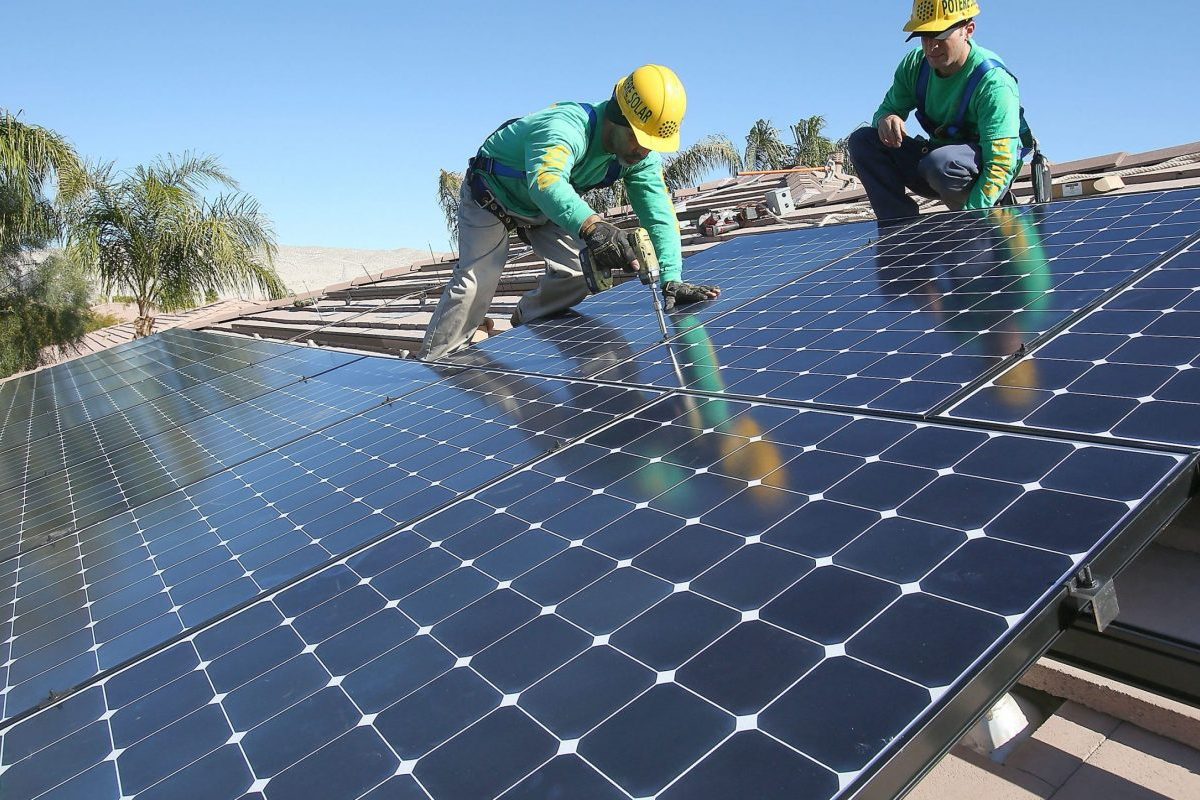
Santa Monica was among the first municipalities to purchase green power and Renewable Energy Certificates (RECs) to cover 100% of its electricity use.
- Green Building Codes
Green building requirements for substantial remodeling and all new construction are in place.
- Energy conservation - All projects must exceed Title 24 energy compliance by 10%
- Green building materials - One material selected from the Green Building Materials List must be used for 50% of the buildings square footage or 100% of building fixtures.
- Landscaping and irrigation - All new construction projects incorporating landscape and irrigation work require review and approval by the City.
- Construction and demolition waste: All projects must divert 65% of their non-inert construction and demolition waste from the landfill.
- Urban runoff: New construction may be required to capture and treat rainwater from the site.
- Water Efficiency
Santa Monica seeks to ensure a safe and continuous water supply for future generations by mandating water efficiency measures through various city ordinances. These include the No Water Waste Ordinance, Efficiency Bay Saver Fee Ordinance, and the Selling Your Property Ordinance.
- Container Ban
Santa Monica has joined sister cities across the country in banning non-recyclable plastic food to-go containers typically used in food service operations. Given the City's close proximity to California's marine ecosystem, banning these containers represents an important step towards protecting oceans, lakes, and streams from plastic litter.